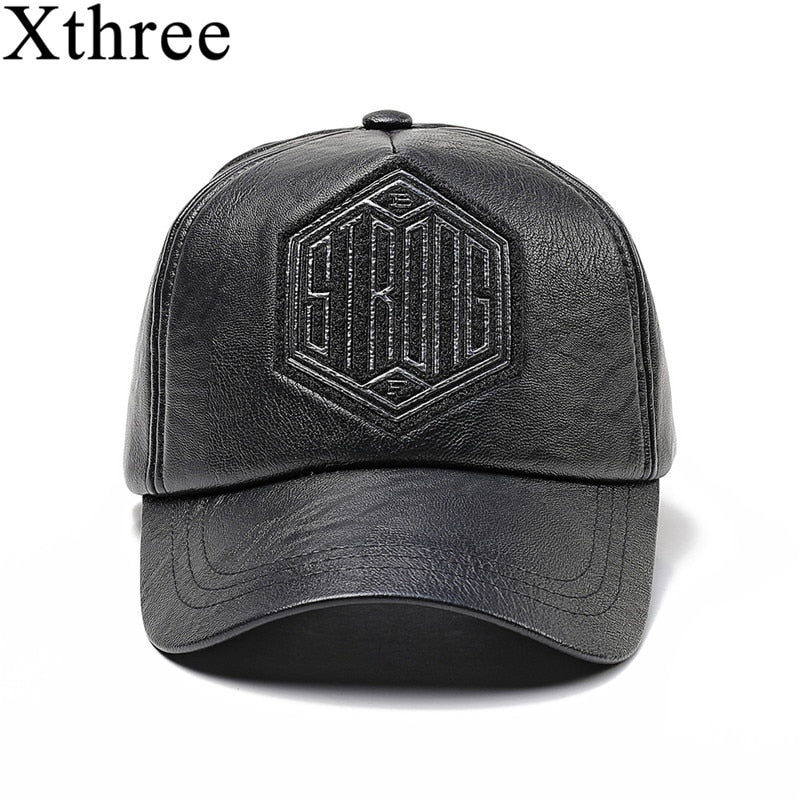
I understand the appeal. You're looking for a simple, warm winter hat and come across those inexpensive online ads for faux leather snapbacks or stylish velvet baseball caps. The price seems right, and the photos look fantastic. It's tempting to think, "How complicated could buying a hat really be?"
That's where I went wrong. I chose the budget option and ended up with a hat that had an odd smell and fell apart quicker than most New Year's resolutions. Consider my experience a cautionary tale to help you avoid wasting money and experiencing buyer's remorse.
Here are the key lessons from my experience:
I attempted to save ten dollars by purchasing a faux leather cap advertised for $12, thinking it was an incredible deal. It wasn't a bargain—it was garbage. I tried to convince myself I'd made a smart purchase, but the reality is that extremely low prices indicate corners were cut in production.
When you buy an ultra-cheap winter hat, particularly one made from imitation materials like faux leather, you typically encounter:
Simulated Low Review: "The faux leather resembled plastic wrap. It cracked after one week of use and had a strange odor."
I understand wanting to save money, but remember that a winter hat should last through the season, not just a week. Don't repeat my error.
Verdict: Establish a reasonable minimum budget. If a winter cap's price seems unrealistically low, the materials are likely poor quality.
I focused entirely on the exterior appearance and completely neglected the interior construction—a significant mistake for winter headwear. A proper winter cap, whether faux leather or thick velvet, requires adequate lining.
If the product description doesn't specify the lining material, assume it's thin polyester or rough fabric. This creates two issues: